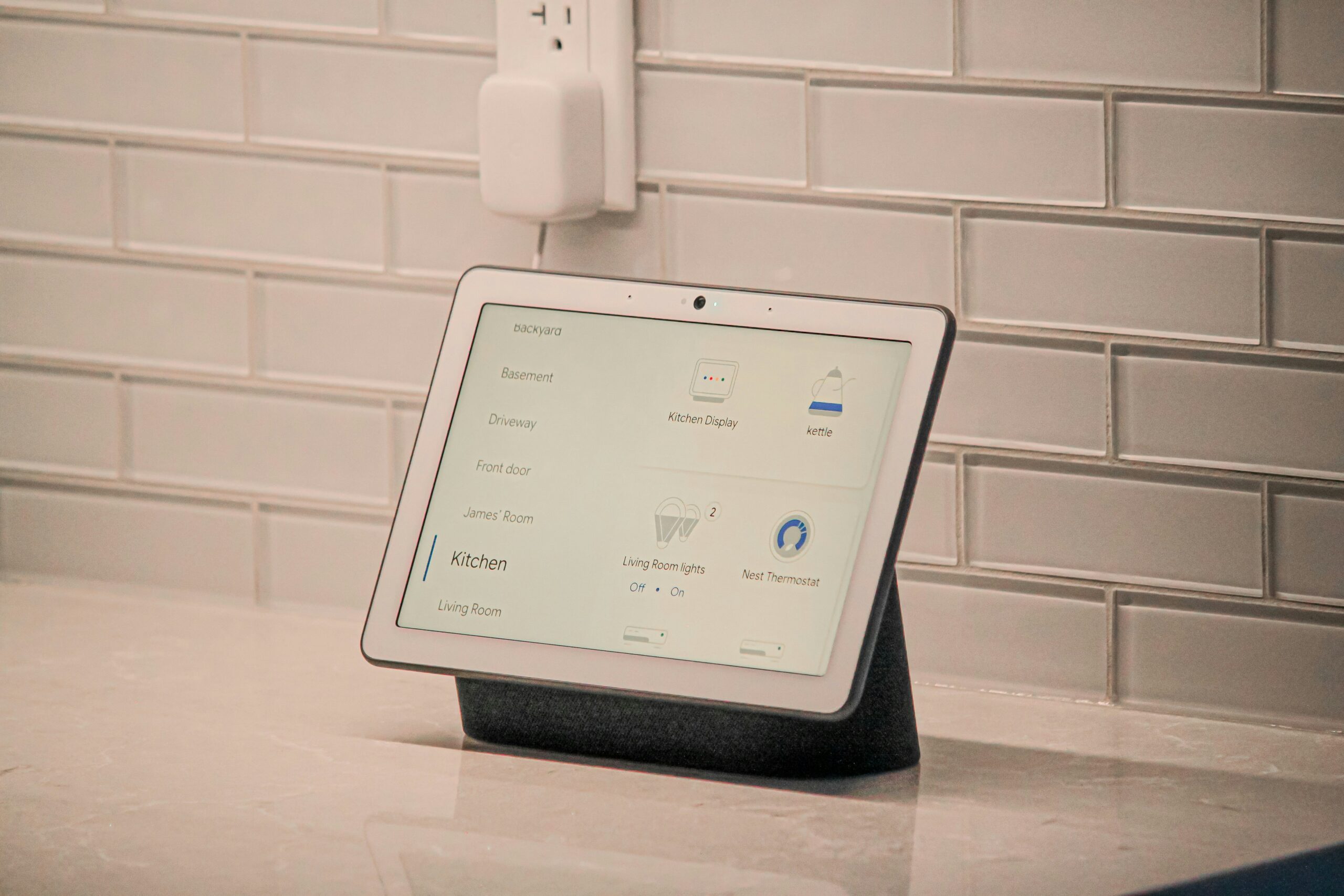
Smart home technology isn’t just about asking Alexa to dim the lights or pre-heating your oven from an app – it’s becoming a powerful tool in the push for sustainability. In modern residential developments, integrating smart technology helps reduce energy waste, lower carbon footprints, and create healthier living environments. Let’s explore how the latest smart systems are advancing sustainability in our homes.
Energy Efficiency through Automation
One of the biggest environmental impacts of any home comes from heating, cooling, and powering it. Smart technology is making these processes far more efficient. Take smart thermostats as an example: these devices learn household patterns and adjust heating intelligently – warming your home when needed and dialling down when it’s not. The result is less wasted energy. In fact, UK users of smart thermostats like Nest and Tado have seen significant savings on heating bills, cutting energy use by an estimated 8–16% on average, with some reporting up to ~30% reduction in consumption. That means lower greenhouse gas emissions from each home. Similarly, smart lighting systems automatically turn off lights in empty rooms or adjust brightness based on natural light, ensuring electricity isn’t wasted. Over time, these automated efficiencies add up to substantial energy (and cost) savings.
Real-Time Monitoring and Behaviour Change
Knowledge is power – and smart homes give residents detailed knowledge about their resource usage. Smart meters and energy monitoring apps provide real-time feedback on electricity and gas consumption. By seeing usage spikes and trends, residents become more conscious of their habits (“Wow, the heating was on full while we were out!”) and often adjust to be more frugal. Many smart water systems can detect leaks or unusually high water use early, preventing wastage of this precious resource. Some devices gamify sustainability by giving you efficiency “scores” or comparisons to similar homes, which can motivate households to compete against their own past usage and improve. In short, smart tech puts data in residents’ hands – and that transparency encourages greener decisions.
Integration with Renewable Energy
As more homes adopt renewable energy systems like solar panels or domestic wind turbines, smart technology plays a crucial role in optimizing their benefits. Smart inverters and home energy management systems can dynamically adjust your home’s energy usage to match the availability of green energy. For example, if your rooftop solar is generating a surplus at midday, a smart home system might automatically turn on the water heater or charge an electric vehicle when clean power is abundant. Likewise, app-controlled battery storage lets homeowners store solar energy when it’s plentiful and use it during peak demand times, reducing reliance on the grid. All of this maximises the utilisation of renewables, making sustainable energy adoption more efficient and cost-effective.
Smart Appliances and Resource Management
Beyond heating and lighting, a new generation of smart appliances is helping cut down resource use. Smart fridges can recommend recipes based on what you have (reducing food waste) and adjust cooling settings for efficiency. Smart washing machines and dishwashers can run on timers to take advantage of off-peak energy hours, or even coordinate with solar generation times if you have panels. Irrigation systems for gardens now use smart moisture sensors and weather data to water only when and where needed, saving water compared to traditional timers. Even waste management is getting smarter – for instance, sensor-equipped bins in some communities help optimise recycling programs and trash pickup routes, saving fuel in refuse collection.
Healthy, Sustainable Living Environments
Smart home tech contributes to sustainability in less obvious ways too. Consider indoor climate and air quality. Smart ventilation systems with sensors ensure that fresh air circulates only when needed, maintaining good air quality without running fans 24/7. Smart blinds or windows can automatically adjust to let in or block sunlight, reducing the need for artificial lighting or extra cooling. Home automation can also enhance safety and longevity of the property – for example, moisture sensors alert you to leaks (preventing mold and structural damage), or smart smoke detectors that notify your phone can reduce fire damage. A home that avoids such damage doesn’t require resource-intensive repairs or rebuilds, which is another aspect of sustainability: building resilience.
A Greener Future for Housing
The cumulative effect of these technologies is significant. Residential buildings account for roughly 15% of the UK’s greenhouse gas emissions, but smarter homes can help shrink that figure. Importantly, sustainability-focused tech is becoming more accessible and standard in new developments. Many forward-thinking residential projects (including our own at Aton Homes) now come equipped with smart energy systems from the outset, so eco-friendly living is “baked in” for residents. Over time, as older homes are retrofitted with smart meters, controls, and appliances, entire communities benefit from lower energy demand and a smaller carbon footprint.
Conclusion: Smart technology is turning our homes into active participants in sustainability. By automatically optimising energy and water use, integrating with renewable power, and empowering residents with data, smart homes are dramatically reducing waste. The greenest building is one that not only uses less power, but also makes it effortless for people to live sustainably. In this way, the rise of smart residential technology is a win-win – delivering comfort and convenience to homeowners while helping safeguard the environment for future generations.