Aton Homes
All Posts By

vnota

A Smarter Way to Invest: Adding Value Beyond the Market

By Uncategorized

Real estate investing isn’t just about riding the waves of the property market – it’s about creating waves of your own. The traditional approach of “buy and wait” assumes that rising market tides will lift your property’s value. A smarter strategy goes further: actively adding value to your investment property so it outperforms the market. Here’s how thoughtful improvements and savvy planning can boost returns far beyond passive appreciation.

Beyond Passive Appreciation

In a rising market, almost any property will gain value over time. However, relying solely on market movements means accepting average returns. Smart investors seek to generate alpha – returns above the market norm – by identifying properties with untapped potential. Instead of purchasing a turnkey property at full market price, they might acquire a slightly dated or underutilised home and then improve it. This way, value isn’t just passively accrued; it’s actively built into the asset.

Identifying Hidden Potential

The first step is choosing the right property. Look for “the worst house on the best street,” or homes with cosmetic wear-and-tear, awkward layouts, or outdated features in otherwise strong locations. Perhaps there’s an old flat with an unused loft space, or a house with a large garden ripe for extension. These kinds of properties often trade at a discount to the area’s peak values, precisely because ordinary buyers overlook their potential. As an investor, spotting what others miss – a chance to add a bedroom, modernise the kitchen, or improve energy efficiency – is the key to unlocking hidden equity.

Value-Adding Renovations

Once you have a property with potential, the fun begins: making strategic improvements that raise its market value. Not all renovations are created equal, so focus on those with high return on investment. For example:

  • Adding living space: More square footage or rooms generally boosts value. Converting a loft into an extra bedroom or building a rear extension can significantly increase a home’s worth. In fact, adding a well-designed bedroom and bathroom via loft conversion can raise a property’s value by up to 20–25% in some cases:
  • Modernising kitchens and bathrooms: Dated kitchens and baths drag down property value. Upgrading to a stylish, functional kitchen or adding a contemporary bathroom (or en-suite) instantly makes the home more appealing to buyers and tenants.
  • Improving energy efficiency: Installing better insulation, double-glazed windows, efficient heating systems, or solar panels reduces utility costs and increases desirability. Buyers today often pay extra for homes with strong energy performance ratings.
  • Curb appeal and layout tweaks: Sometimes simple changes like fresh paint, restored flooring, or knocking down a non-structural wall to create an open-plan living area can transform the feel of a property. First impressions count – a welcoming exterior and sensible interior flow add perceived value.

Each improvement forces the property’s value upward beyond what normal market growth would deliver. The key is to budget wisely and choose upgrades that have broad appeal and clear, tangible benefits when it comes time to sell or refinance.

Leveraging Equity and Smart Financing

Another aspect of “adding value beyond the market” is making your money work harder through smart financing. As property values increase from your upgrades, you create equity that can be leveraged. For instance, suppose you bought a property for £200k and spent £30k on renovations; if the home’s new value is £260k+, you’ve created £30k+ of equity out of thin air. This equity can potentially be accessed via refinancing or a home equity loan to fund your next investment or pay down other debt. In essence, you’re using the improved value – which you manufactured – to accelerate your investment journey.

Exceeding Market Returns

By adding value proactively, investors can outpace the market’s growth. Even in periods of modest house price inflation, a value-add project can yield a substantial gain. For example, rather than waiting five years for a property to naturally appreciate 15%, a strategic renovation might achieve a similar increase in just 6–12 months, on top of any baseline market rise. This approach also provides a cushion in weaker markets – a well-improved property will sell or rent faster (and at a better price) than a mediocre one when buyers are choosier.

Conclusion: The smartest property investors act as creators, not just spectators. By identifying properties with promise and actively elevating their quality and functionality, you can generate returns that beat the market average. It’s about having an eye for potential and the willingness to put in capital and effort now for outsized rewards later. In short, adding value beyond the market isn’t just a strategy – it’s a mindset that turns ordinary investments into extraordinary opportunities.
Better for Residents, Better for Returns: The Case for Thoughtful Development

By Uncategorized

Is it possible to develop properties that enrich the lives of residents and also boost the bottom line for investors? Absolutely. In fact, the two goals go hand in hand. “Thoughtful development” – which prioritises quality of life, sustainability, and community – often leads to more desirable properties, happier tenants or buyers, and stronger financial returns. Here’s why doing the right thing by residents is also a smart investment strategy.

Designing with the Resident in Mind

Thoughtful development starts at the design phase. It means planning homes and communities around how people actually live and what they value. This could include ensuring ample natural light, functional layouts, and plenty of storage in each unit. It might involve creating communal green spaces or roof terraces where neighbours can relax and socialise. When residents find their living environment comfortable, beautiful, and convenient, they tend to stay longer and take better care of the property. For rental developments, that directly translates to lower turnover rates and vacancy periods. Fewer empty units and less frequent tenant changeover means more consistent rental income and lower costs for advertising and refurbishing units between tenancies.

Amenities and Community Build Value

Beyond the four walls of an individual home, thoughtful developments consider the broader living experience. Modern renters and homeowners often seek amenities that make daily life easier and more enjoyable. This can range from practical features – like secure bike storage, EV charging points, and high-speed internet infrastructure – to lifestyle perks such as on-site gyms, co-working lounges, or children’s play areas. Developments that include these extras create a sense of community and an environment where people want to stay. The investment pays off: residents are willing to pay a premium to live in a building that offers more than just a basic flat. Additionally, properties with well-thought-out amenities tend to have higher market valuations. A building that fosters a community (through shared gardens, events, or resident apps for example) isn’t just selling square footage; it’s selling a better living experience, which is a valuable asset in today’s market.

Sustainability and Savings

Incorporating sustainable design is a cornerstone of thoughtful development – and it yields dual benefits. Eco-friendly features (solar panels, efficient insulation, heat pumps, rainwater harvesting, etc.) make homes cheaper to run and healthier to live in. Residents appreciate lower energy bills and the knowledge that their home is environmentally responsible. In fact, recent research shows that today’s buyers and renters are willing to pay more for greener homes: buyers would pay around 10% extra for a low-carbon property, and tenants about 13% higher rent for one. That means developers who build to high sustainability standards can achieve price premiums and attract demand more easily. Furthermore, energy-efficient buildings are future-proofed against rising utility costs and stricter regulations, protecting the long-term investment value. By doing right for the planet and the resident’s wallet, you’re also doing right by your returns.

Quality Builds Reduce Maintenance

Another “better for both” principle: build it right the first time. Thoughtful development entails using quality materials and workmanship, even if the upfront cost is a bit higher. Solid construction, good soundproofing, proper waterproofing – these aspects make a huge difference in residents’ daily comfort. They also mean fewer repairs and maintenance issues down the line. A well-built property will not only keep residents happy (no one enjoys dealing with constant leaks or thin walls), but it also spares the owner surprise expenses and preserves the property’s value. Durability is a financial virtue. Over several years, the savings from avoided repairs and extended lifespan of building components can far outweigh any initial cost difference. It’s a classic win-win: residents enjoy a trouble-free living environment, and owners enjoy lower operating costs and a resilient asset.

Happy Residents, Healthy Returns

The ultimate measure of a development’s success is how people feel living there. When residents are happy, it directly impacts investment performance. Contented residents are more likely to renew leases or, in the case of owner-occupiers, they contribute to a stable, sought-after community that upholds property values. High retention is especially crucial for rental investments – losing a good tenant means lost rent, advertising costs, and downtime to fill the unit. Industry experts often remind landlords that every day a unit sits vacant is income lost forever. By creating a place where people genuinely want to live, thoughtful developers minimise those costly vacancies. Moreover, satisfied residents tend to treat the property well, report issues early, and even refer friends or colleagues as new tenants or buyers, reducing marketing costs. All of these factors bolster net returns for the investor.

Conclusion: Thoughtful development isn’t just a nice idea – it’s sound business practice. Building and managing properties with a focus on resident well-being, sustainability, and quality creates a virtuous cycle: residents thrive in their homes, and in turn the properties thrive financially. At Aton Homes, we’ve found that doing what’s better for residents truly is better for returns. By caring about the details that improve daily life and reducing our environmental impact, we deliver homes that succeed in the marketplace for years to come. In real estate, as in life, when you invest with care and purpose, everyone wins.

How Smart Technology in Residential Properties Is Advancing Sustainability

By Uncategorized

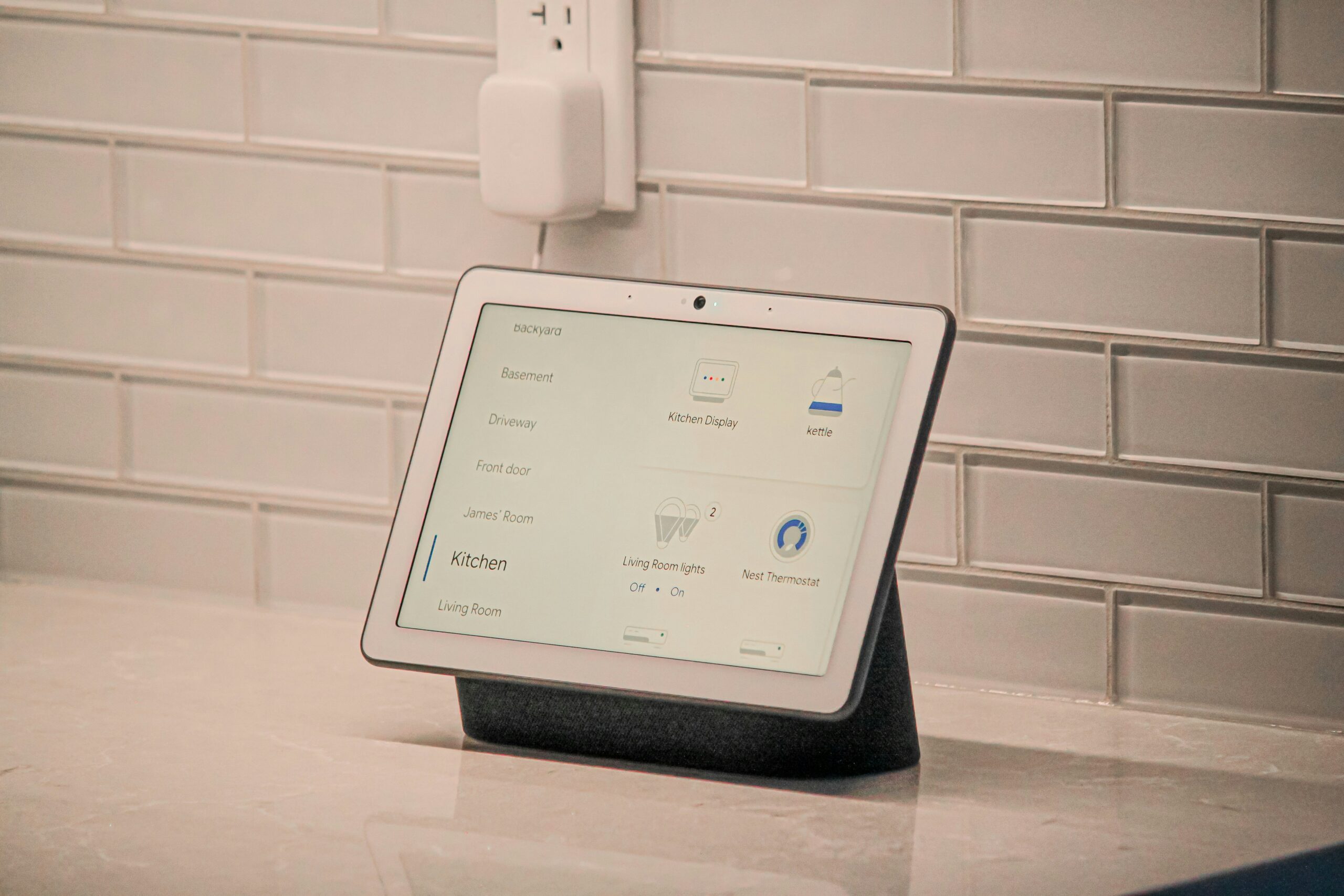
Smart home technology isn’t just about asking Alexa to dim the lights or pre-heating your oven from an app – it’s becoming a powerful tool in the push for sustainability. In modern residential developments, integrating smart technology helps reduce energy waste, lower carbon footprints, and create healthier living environments. Let’s explore how the latest smart systems are advancing sustainability in our homes.

Energy Efficiency through Automation

One of the biggest environmental impacts of any home comes from heating, cooling, and powering it. Smart technology is making these processes far more efficient. Take smart thermostats as an example: these devices learn household patterns and adjust heating intelligently – warming your home when needed and dialling down when it’s not. The result is less wasted energy. In fact, UK users of smart thermostats like Nest and Tado have seen significant savings on heating bills, cutting energy use by an estimated 8–16% on average, with some reporting up to ~30% reduction in consumption. That means lower greenhouse gas emissions from each home. Similarly, smart lighting systems automatically turn off lights in empty rooms or adjust brightness based on natural light, ensuring electricity isn’t wasted. Over time, these automated efficiencies add up to substantial energy (and cost) savings.

Real-Time Monitoring and Behaviour Change

Knowledge is power – and smart homes give residents detailed knowledge about their resource usage. Smart meters and energy monitoring apps provide real-time feedback on electricity and gas consumption. By seeing usage spikes and trends, residents become more conscious of their habits (“Wow, the heating was on full while we were out!”) and often adjust to be more frugal. Many smart water systems can detect leaks or unusually high water use early, preventing wastage of this precious resource. Some devices gamify sustainability by giving you efficiency “scores” or comparisons to similar homes, which can motivate households to compete against their own past usage and improve. In short, smart tech puts data in residents’ hands – and that transparency encourages greener decisions.

Integration with Renewable Energy

As more homes adopt renewable energy systems like solar panels or domestic wind turbines, smart technology plays a crucial role in optimizing their benefits. Smart inverters and home energy management systems can dynamically adjust your home’s energy usage to match the availability of green energy. For example, if your rooftop solar is generating a surplus at midday, a smart home system might automatically turn on the water heater or charge an electric vehicle when clean power is abundant. Likewise, app-controlled battery storage lets homeowners store solar energy when it’s plentiful and use it during peak demand times, reducing reliance on the grid. All of this maximises the utilisation of renewables, making sustainable energy adoption more efficient and cost-effective.

Smart Appliances and Resource Management

Beyond heating and lighting, a new generation of smart appliances is helping cut down resource use. Smart fridges can recommend recipes based on what you have (reducing food waste) and adjust cooling settings for efficiency. Smart washing machines and dishwashers can run on timers to take advantage of off-peak energy hours, or even coordinate with solar generation times if you have panels. Irrigation systems for gardens now use smart moisture sensors and weather data to water only when and where needed, saving water compared to traditional timers. Even waste management is getting smarter – for instance, sensor-equipped bins in some communities help optimise recycling programs and trash pickup routes, saving fuel in refuse collection.

Healthy, Sustainable Living Environments

Smart home tech contributes to sustainability in less obvious ways too. Consider indoor climate and air quality. Smart ventilation systems with sensors ensure that fresh air circulates only when needed, maintaining good air quality without running fans 24/7. Smart blinds or windows can automatically adjust to let in or block sunlight, reducing the need for artificial lighting or extra cooling. Home automation can also enhance safety and longevity of the property – for example, moisture sensors alert you to leaks (preventing mold and structural damage), or smart smoke detectors that notify your phone can reduce fire damage. A home that avoids such damage doesn’t require resource-intensive repairs or rebuilds, which is another aspect of sustainability: building resilience.

A Greener Future for Housing

The cumulative effect of these technologies is significant. Residential buildings account for roughly 15% of the UK’s greenhouse gas emissions, but smarter homes can help shrink that figure. Importantly, sustainability-focused tech is becoming more accessible and standard in new developments. Many forward-thinking residential projects (including our own at Aton Homes) now come equipped with smart energy systems from the outset, so eco-friendly living is “baked in” for residents. Over time, as older homes are retrofitted with smart meters, controls, and appliances, entire communities benefit from lower energy demand and a smaller carbon footprint.

Conclusion: Smart technology is turning our homes into active participants in sustainability. By automatically optimising energy and water use, integrating with renewable power, and empowering residents with data, smart homes are dramatically reducing waste. The greenest building is one that not only uses less power, but also makes it effortless for people to live sustainably. In this way, the rise of smart residential technology is a win-win – delivering comfort and convenience to homeowners while helping safeguard the environment for future generations.

Behind the Build: How We Transform a Victorian Terrace

By Uncategorized

Ever wondered what it takes to turn a tired Victorian terrace house into a modern, luxurious home? At Aton Homes, transforming period properties is our passion and specialty. In this behind-the-build tour, we walk you through our process of revitalising a classic Victorian terraced house – preserving its 19th-century charm while upgrading it for 21st-century living.

Initial Vision and Planning

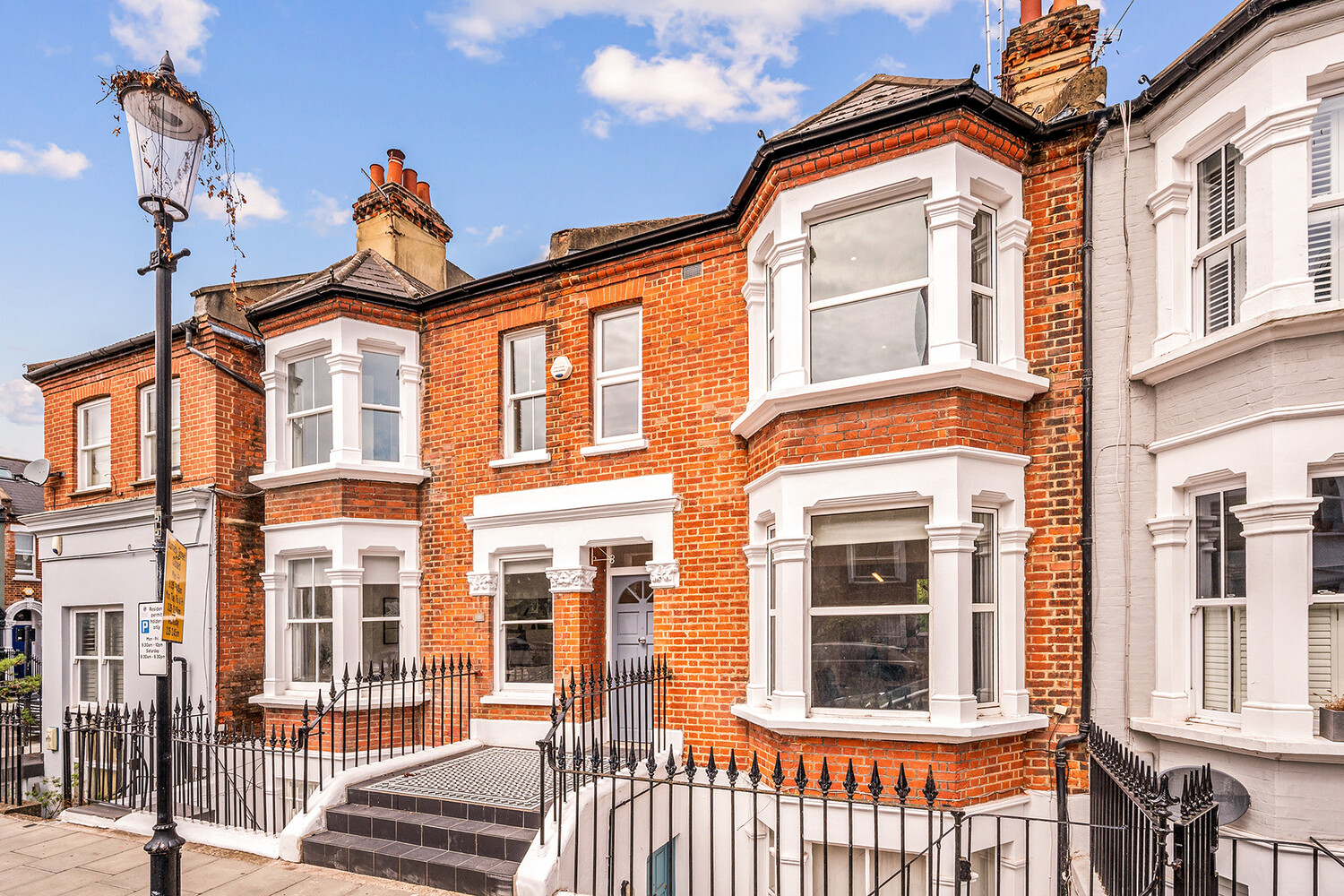
Every transformation begins with a vision. When we acquire a Victorian terrace, our first step is a thorough assessment of its current condition and potential. These terraces often come with beautiful original features (think decorative cornices, cast-iron fireplaces, sash windows) hidden under years of paint or neglect. We identify which heritage details to restore and highlight. Simultaneously, we pinpoint structural or layout issues that need change – for example, many Victorian terraces have small galley kitchens and disconnected living spaces. Our design team re-imagines the interior layout to better suit modern lifestyles (open-plan living areas, more natural light, added bathrooms) while navigating any planning permissions required for extensions or exterior alterations.

Stripping Back and Structural Work

With a solid plan in place, the construction phase kicks off. We start by carefully stripping the house back to its bones. Outdated fixtures, damp plaster, and any hazardous materials (like old wiring or lead pipes) are removed. This “gut renovation” phase reveals the underlying structure. In many cases, we reinforce floor joists and foundations, ensuring the 100+ year-old structure meets today’s safety standards. It’s common to knock down certain internal walls to create larger spaces – for instance, merging a walled-off kitchen, dining room, and living room into one flowing, open-plan area. When doing so, our builders install steel supports (RSJs) to uphold structural integrity. If the project involves extending the ground floor (a side-return or rear extension) or converting the loft into a new bedroom, those major additions happen now. The house might look like a construction shell at this stage, but it’s the critical foundation for everything to follow.

Preserving Heritage Features

Even as we modernise the layout, preserving the Victorian character is paramount. Our craftsmen take time to restore period features wherever possible. Original fireplaces are carefully refurbished to once again become focal points in bedrooms or lounges. Ornate ceiling roses and plaster cornicing are repaired or replicated to maintain that historic elegance overhead. If the original timber floors are salvageable, we’ll sand and refinish them, knowing that these wide planks add warmth and authenticity you can’t fake. The exterior façade – often handsome London stock brick or stone – is cleaned and repointed, preserving the terrace’s curb appeal so it remains true to its era. Sash windows are another hallmark; we typically refurbish them with new glazing and seals for efficiency, rather than replacing them outright, to keep the home’s heritage face.

Modern Comforts and Upgrades

Next comes equipping the house with all the comforts and technologies of a new build, without compromising its character. We install brand-new plumbing and electrics throughout – from energy-efficient LED lighting to ample electrical sockets (no more Victorian paucity of outlets!). High-efficiency boilers or heat-pump systems replace any old clunky heaters, and we discreetly integrate modern radiators or underfloor heating. Insulation is added in walls, lofts, and under floors wherever possible, dramatically improving thermal comfort in what were often chilly homes. This is also the stage where smart home features can be added: programmable thermostats, security systems, and other tech that make the home convenient and eco-friendly. The goal is to ensure our Victorian terrace will be just as warm, reliable, and easy to live in as a brand new property – all while hidden behind period-style fixtures so the modern upgrades don’t jar with the vintage aesthetic.

Interior Design and Finishing Touches

With construction and systems complete, we move to the finishing phase – turning a once derelict shell into a beautiful home. Our interior design team picks a decor style that complements the home’s history: often a blend of contemporary luxury and classic touches. Walls are plastered smooth and painted in light, inviting colours, or sometimes bold heritage hues to accentuate features. We may lay engineered oak flooring or high-quality parquet in keeping with Victorian style, or use chic tile patterns (like classic black-and-white mosaics in the entryway) as a nod to the past. Kitchens are a showpiece: we install bespoke cabinetry that offers modern functionality but might feature traditional shaker-style fronts or period-appropriate colors. Quartz or stone worktops, stainless steel appliances, and smart storage make the kitchen a chef’s dream. Bathrooms too get a complete makeover – from the cramped WC-under-the-stairs common in old terraces to spacious baths with walk-in showers, underfloor heating, and stylish fixtures. We often incorporate a mix of vintage-inspired elements (clawfoot tubs, metro tiles) and contemporary fittings to create a timeless look.

The Big Reveal

After weeks (or months) of careful work, the Victorian terrace is reborn. What was once perhaps dark, drafty, and dated is now a bright, efficient and elegant residence. The reception rooms flow together for family living and entertaining, the kitchen is the heart of the home rather than an afterthought, and every bedroom and bath meets modern expectations. Yet, when you step inside, it unmistakably feels like a charming Victorian home – tall ceilings, restored fireplaces, and that solid old-world build quality that new houses can’t replicate. This fusion of old and new is what thoughtful development is all about.

Conclusion: Transforming a Victorian terrace is both a science and an art. It requires respect for the original structure, creative design to adapt it to today’s needs, and quality workmanship at every step. The end result is hugely rewarding: a home that offers the best of both worlds. At Aton Homes, we take pride in each of these transformations – breathing new life into historic houses so they can be loved for another century, all while delivering exceptional value to their owners.

Why Period Properties Still Offer the Best Investment Potential in the UK

By Uncategorized

Investors in UK real estate continue to prize period properties for their unique blend of character, location, and long-term value. Unlike many modern builds, these classic homes have stood the test of time – and savvy investors recognise their enduring appeal.

Timeless Charm and Buyer Appeal

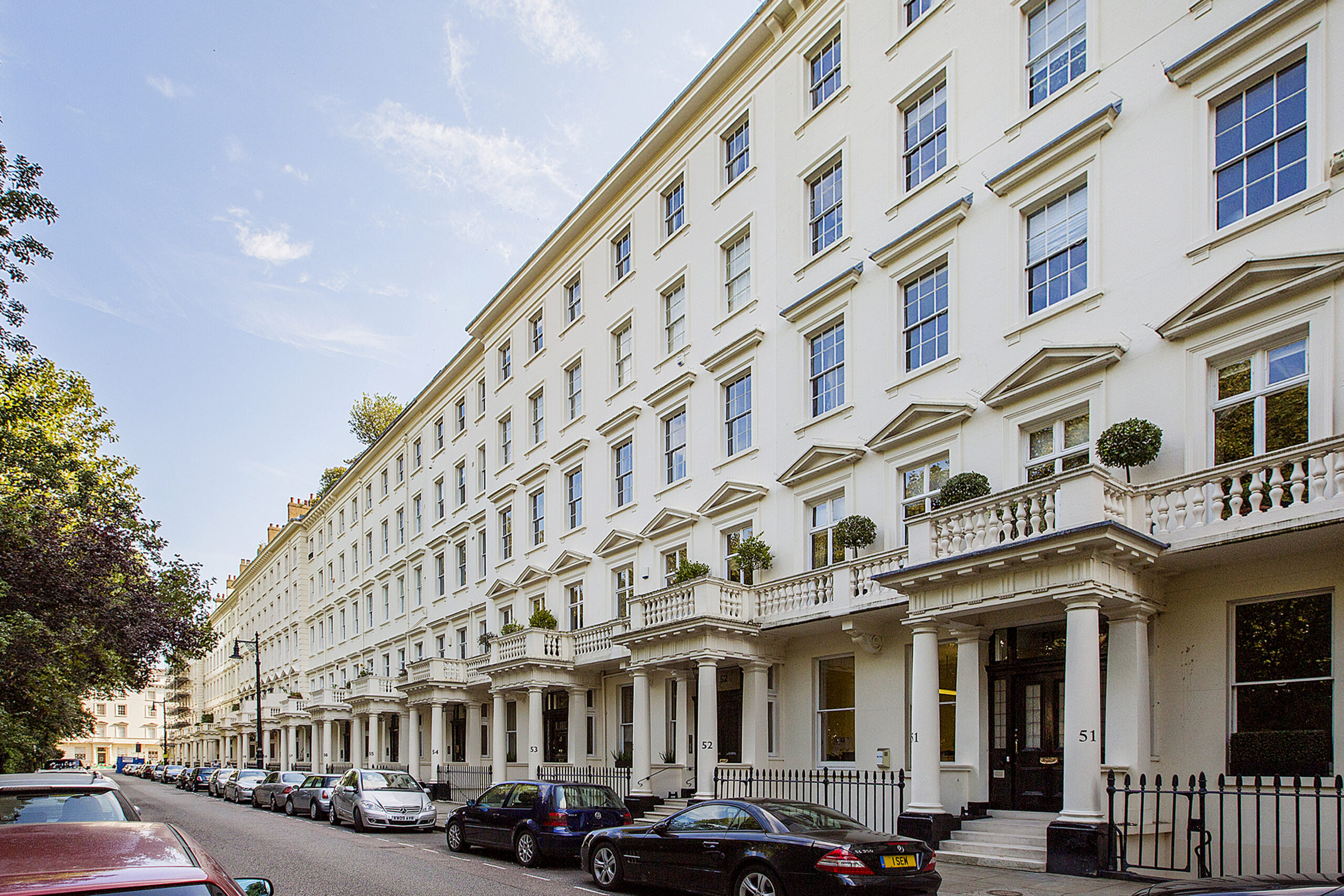
Period homes (Victorian, Edwardian, Georgian, etc.) come with architectural features and craftsmanship rarely found in new builds – high ceilings, ornate fireplaces, grand bay windows and more. These details create a unique character that many buyers are willing to pay a premium for. The strong emotional appeal of owning a “piece of history” often translates into robust demand, helping period properties maintain value even when the broader market fluctuates.

Limited Supply, Strong Value

They’re not making any more Victorian or Georgian houses – the existing stock of period properties is fixed and shrinking in proportion each year. Anything in short supply tends to hold or increase its value if demand stays steady or rises. Indeed, history has shown that well-kept period homes appreciate strongly over time. This scarcity factor gives period properties an investment edge: as modern developments expand, the relative rarity of a classic Georgian townhouse or a quaint Edwardian terrace only grows.

Prime Locations and Larger Plots

Many period properties occupy enviable locations – think attractive town centers, established suburbs, or picturesque villages developed long before today’s urban sprawl. These homes often sit on larger plots with mature gardens, thanks to older planning norms that allowed more space. A Victorian terrace or Edwardian semi may offer proximity to transport links and amenities that newer estates on city outskirts simply can’t match. The combination of central location and generous land boosts both rental and resale value, as residents value convenience and privacy.

Quality Build and Lasting Craftsmanship

Period buildings were generally constructed with durable materials – solid brick walls, timber frames, and quality finishes meant to last. With proper maintenance and sympathetic upgrades, these homes can remain structurally sound and comfortable for decades to come. Modern developers sometimes struggle to replicate the sturdy build and detailed workmanship of a 19th-century property. For investors, this means a well-maintained period house can be a reliable asset with lower risk of obsolescence or drastic renovation needs.

Modern Upgrades, Classic Bones

One of the best aspects of period properties is their potential for modernisation. Investors can integrate 21st-century comforts into 19th-century structures – installing efficient heating, insulation, plumbing, and smart home technology – without sacrificing the original charm. With renovations, an older home can be made as warm, energy-efficient and chic as any new build. These improvements not only enhance living comfort but also drive up the property’s market value. In fact, period homes often have more scope for value-adding upgrades than newer homes, which might already be at their design limits.

Stable Long-Term Growth

Thanks to the factors above, period properties have a track record of strong long-term performance. Property specialists note that Victorian and Edwardian homes tend to be sound investments, retaining value well due to their unique features and high demand. Unlike some new builds that can lose their initial premium after the first sale, a desirable period home in a good location typically appreciates steadily. For landlords, these properties also attract quality tenants and can command higher rents, given their character and location advantages.

Conclusion: Period properties marry historical charm with reliable investment fundamentals. Their scarcity, classic appeal, and untapped potential for improvements make them a standout choice for investors looking for long-term value. In a market awash with new developments, a beautifully restored Georgian townhome or a Victorian cottage can offer something refreshingly different – and in real estate, different often means desirable and financially rewarding.