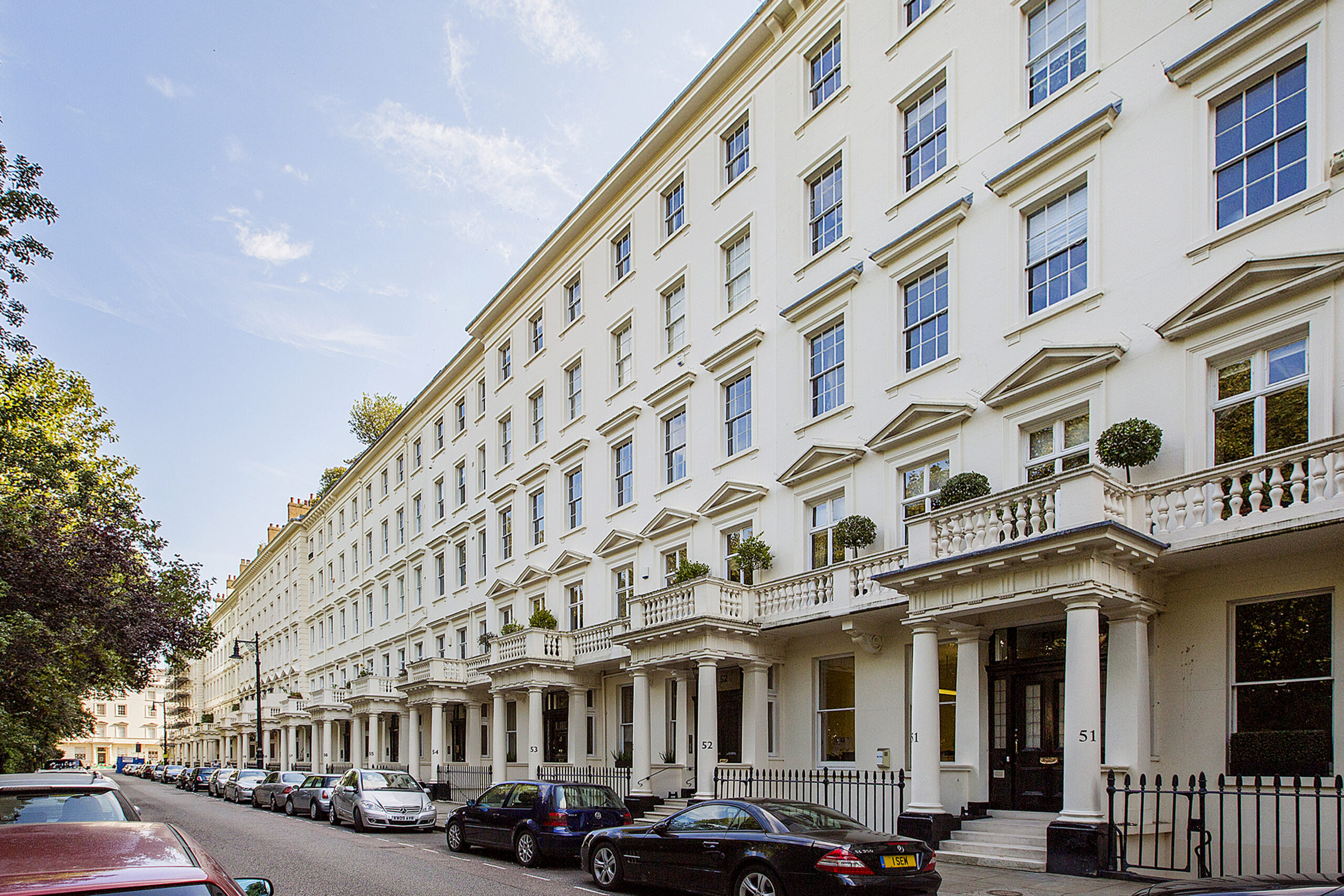
Investors in UK real estate continue to prize period properties for their unique blend of character, location, and long-term value. Unlike many modern builds, these classic homes have stood the test of time – and savvy investors recognise their enduring appeal.
Timeless Charm and Buyer Appeal
Period homes (Victorian, Edwardian, Georgian, etc.) come with architectural features and craftsmanship rarely found in new builds – high ceilings, ornate fireplaces, grand bay windows and more. These details create a unique character that many buyers are willing to pay a premium for. The strong emotional appeal of owning a “piece of history” often translates into robust demand, helping period properties maintain value even when the broader market fluctuates.
Limited Supply, Strong Value
They’re not making any more Victorian or Georgian houses – the existing stock of period properties is fixed and shrinking in proportion each year. Anything in short supply tends to hold or increase its value if demand stays steady or rises. Indeed, history has shown that well-kept period homes appreciate strongly over time. This scarcity factor gives period properties an investment edge: as modern developments expand, the relative rarity of a classic Georgian townhouse or a quaint Edwardian terrace only grows.
Prime Locations and Larger Plots
Many period properties occupy enviable locations – think attractive town centers, established suburbs, or picturesque villages developed long before today’s urban sprawl. These homes often sit on larger plots with mature gardens, thanks to older planning norms that allowed more space. A Victorian terrace or Edwardian semi may offer proximity to transport links and amenities that newer estates on city outskirts simply can’t match. The combination of central location and generous land boosts both rental and resale value, as residents value convenience and privacy.
Quality Build and Lasting Craftsmanship
Period buildings were generally constructed with durable materials – solid brick walls, timber frames, and quality finishes meant to last. With proper maintenance and sympathetic upgrades, these homes can remain structurally sound and comfortable for decades to come. Modern developers sometimes struggle to replicate the sturdy build and detailed workmanship of a 19th-century property. For investors, this means a well-maintained period house can be a reliable asset with lower risk of obsolescence or drastic renovation needs.
Modern Upgrades, Classic Bones
One of the best aspects of period properties is their potential for modernisation. Investors can integrate 21st-century comforts into 19th-century structures – installing efficient heating, insulation, plumbing, and smart home technology – without sacrificing the original charm. With renovations, an older home can be made as warm, energy-efficient and chic as any new build. These improvements not only enhance living comfort but also drive up the property’s market value. In fact, period homes often have more scope for value-adding upgrades than newer homes, which might already be at their design limits.
Stable Long-Term Growth
Thanks to the factors above, period properties have a track record of strong long-term performance. Property specialists note that Victorian and Edwardian homes tend to be sound investments, retaining value well due to their unique features and high demand. Unlike some new builds that can lose their initial premium after the first sale, a desirable period home in a good location typically appreciates steadily. For landlords, these properties also attract quality tenants and can command higher rents, given their character and location advantages.
Conclusion: Period properties marry historical charm with reliable investment fundamentals. Their scarcity, classic appeal, and untapped potential for improvements make them a standout choice for investors looking for long-term value. In a market awash with new developments, a beautifully restored Georgian townhome or a Victorian cottage can offer something refreshingly different – and in real estate, different often means desirable and financially rewarding.